- 28% of working adults in Great Britain were hybrid working in autumn 2024.
- Home workers saved an average of 56 minutes that day on commuting.
- Every benefit has a matching risk, such as isolation or long hours.
- Short, frequent breaks beat long, rare ones for screen work.
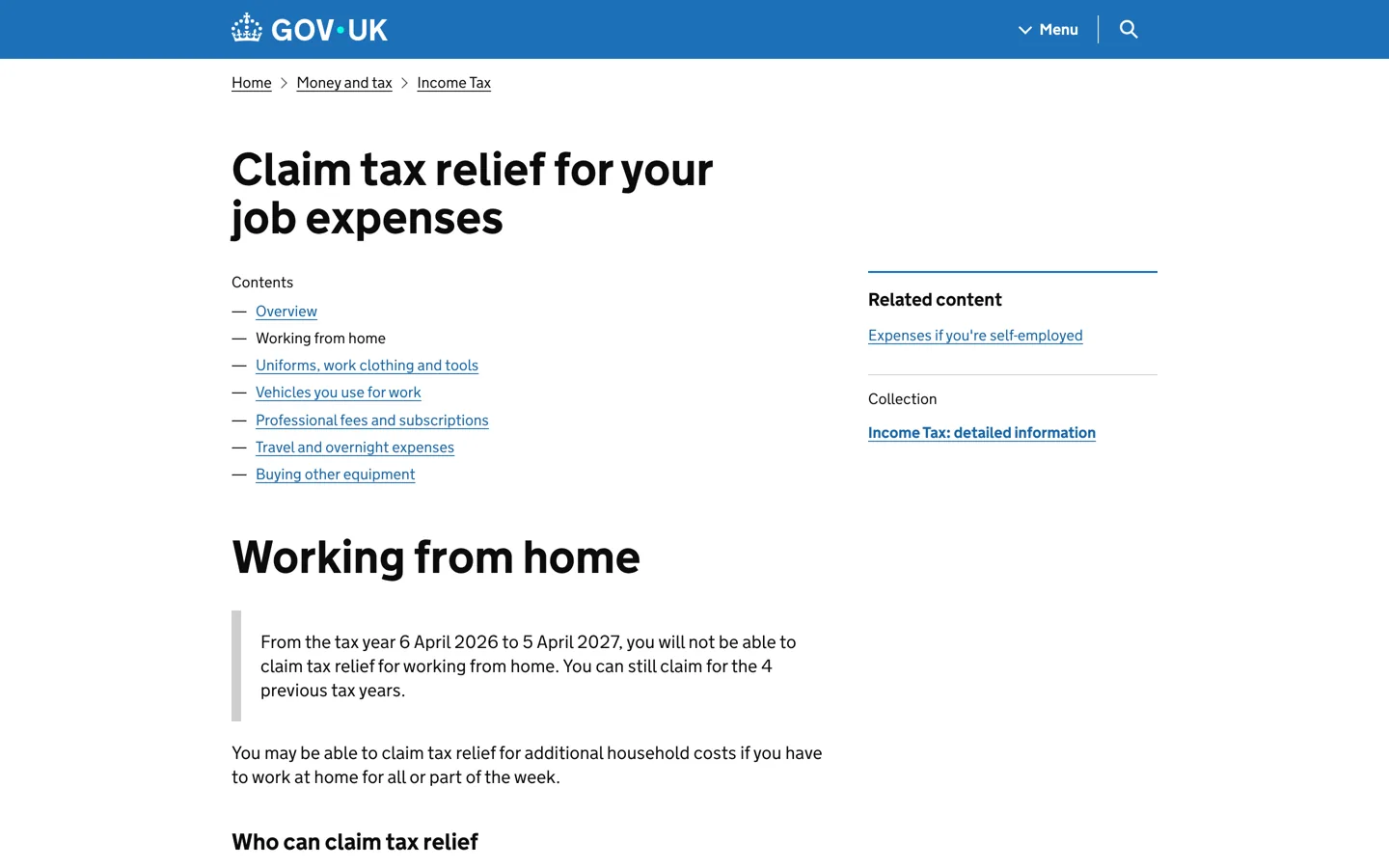
- UK employees can't claim home-working tax relief for 2026 to 2027.
The benefits of working from home are real: no commute, more control over your day, fewer interruptions for focused work, lower daily costs, and the flexibility to fit work around family. But each benefit comes with a matching risk, from isolation to working too long, and the people who get the most out of home working plan for both. This guide covers the five main benefits, what official data says, the downsides, and how to make home working work, whether you’re an employee, a freelancer or running a blog or online business, checked on 12 October 2026.
Planning your working day itself? Our morning routine for bloggers sets out a daily routine. This page is about whether, and how, home working pays off.

How common is working from home?
Home working is now a normal part of working life for many people. The UK’s Office for National Statistics (ONS) reported that more than a quarter of working adults in Great Britain (28%) were hybrid working, partly at home and partly travelling to work, in autumn 2024. It found hybrid working was more common among people over 30, parents, managers and professionals, and much less common in jobs that need face-to-face contact, such as retail and caring roles.
The 5 main benefits of working from home
1. Time back from commuting
The most measurable benefit is time. According to the ONS Time Use Survey, people working from home saved an average of 56 minutes that day by not commuting. Over a working week, that adds up to several hours you can use for rest, exercise, family, or the side project you never had time for. For bloggers and online business owners, that’s often the time that builds the business.
2. More control over your day
At home, you can often arrange your work around when you focus best, and around school runs, appointments or caring responsibilities. The ONS found working parents were more likely to hybrid work (35%) than working non-parents (24%), and suggested this may be because hybrid working helps people fit work around childcare and the school day.
3. Fewer interruptions for focused work
Writing, coding, design and planning need long stretches without interruption. Home can give you that, with no one stopping by your desk and fewer meetings that could have been a message. It isn’t automatic, as family, deliveries and your phone can interrupt too, but it’s easier to control your own space than a shared office.
4. Lower daily costs
Without a commute, you save on fares or fuel, parking, and often on bought lunches and coffee. Some costs go up, such as heating and electricity during the day, so the real saving depends on your situation. Tax rules are covered further down, because they’ve changed.
5. Wellbeing and a better balance
The ONS reports that “improved staff well-being” has remained one of the most frequently reported reasons businesses give for using or intending to use more hybrid and home working. More time and more control can mean more sleep, more exercise and more time with family. That only happens if you protect it, though, which is where the downsides come in.
The downsides to plan for
- Isolation: fewer casual conversations, less learning from colleagues, and for solo business owners, sometimes days without speaking to anyone about work.
- Working too long: with your laptop always nearby, the working day can quietly stretch into the evening.
- Moving less: without a commute or walking between meetings, it’s easy to sit for most of the day.
- A poor workspace: a sofa or kitchen table set-up can lead to aches and eyestrain.
- Distractions at home: housework, family and streaming are always one room away.
- Being less visible: for employees, managers may notice your work less than when you’re in the office.
How to get the benefits of working from home

- Set fixed working hours and a clear finish time. The UK’s Health and Safety Executive (HSE) advises home workers to set and stick to a routine and not to revisit their computer outside their regular hours.
- Make a proper workspace: a table at the right height, a supportive chair, good lighting and your screen at eye level. HSE suggests finding a suitable area, avoiding uncomfortable positions and keeping cables tidy so you don’t trip.
- Take short breaks often. HSE’s guidance on display screen work says short, frequent breaks are better than longer, less frequent ones; for example, 5 to 10 minutes every hour is better than 20 minutes every 2 hours.
- Stay in touch: regular calls with colleagues or, for solo workers, a group of peers, a co-working day or a weekly coffee with someone in your field.
- Move during the day: use the commute time you saved for a walk, a workout or simply getting outside.
- Use your time off: HSE also advises taking regular breaks and using your annual leave, which is just as important when the office is at home.
Your rights as an employee (UK)
In the UK, GOV.UK says all employees have the legal right to request flexible working, including where they work, from their first day in a job. Employers must deal with requests in a “reasonable manner”, for example by assessing the advantages and disadvantages and discussing alternatives, and can refuse only if they have a good business reason. Flexible working rules are different in Northern Ireland.
HSE says your employer has the same health and safety responsibilities for you whether you work at home or in a workplace, and that if a workstation assessment shows you need extra display screen equipment, your employer can’t charge you for it. You still need to take care of your own health and safety and cooperate with your employer.
Working from home and tax (UK)
Tax relief for employees working from home has changed. GOV.UK says that for the tax year 6 April 2026 to 5 April 2027, employees can’t claim tax relief for working from home, although claims for the 4 previous tax years are still possible. Even for earlier years, relief was only for people who had to work from home, for example because their employer had no office, not for those who chose to.
If you’re self-employed, the rules are different. GOV.UK allows you to claim the business share of household costs such as heating, electricity and internet, using a reasonable method such as the number of rooms or the time you use for work. Alternatively, if you work 25 hours or more a month from home, you can use simplified flat rates: £10 a month for 25 to 50 hours, £18 for 51 to 100 hours, and £26 for 101 hours or more. Telephone and internet costs are claimed separately. Rules differ in other countries, so check your own tax authority’s guidance.
Working from home with family around
Home working is easier to fit around family, but family life also makes it harder to focus. Agree simple signals at home, such as a closed door or headphones meaning “working”, and share your schedule so others know when you’re free. Put your most focused work at the times the house is quietest, early in the morning, during school hours or after bedtime, and keep calls and routine tasks for the busier hours. If young children are at home, plan shorter blocks of work and be realistic about what you can finish. When the working day ends, close the laptop and leave the workspace, so family time is properly family time.
Working from home as a blogger or online business owner
If you run a blog or online business, home is usually your office by default. The benefits are the same, but so are the risks, and there’s no manager to notice when you’re working too much or too little. Treat it like a job: set office hours, keep a separate space for work, and decide each week what you’ll publish or ship. Our guide on productivity for entrepreneurs explains a simple weekly system, and our guide on starting an online business covers setting up properly.
Is working from home right for you?
Home working suits people who can structure their own day, are comfortable communicating in writing, and have, or can create, a quiet space to work. It’s harder if your home is crowded, you rely on colleagues’ energy to stay motivated, or you’re early in a career where you learn a lot by watching others. Many people find a hybrid pattern gives them most of the benefits with fewer of the downsides. Try it for a month, note what works, and adjust.
Common mistakes
- Working from the sofa or bed instead of a proper workspace.
- No finish time, so work spreads across the whole evening.
- Skipping breaks because no one else is taking them.
- Losing touch with colleagues, clients or peers.
- Assuming you can claim tax relief without checking the current rules.
Working from home gives you time, control and focus. Protect those benefits with a routine, a good workspace and regular contact with people, and it can be the best way you’ve ever worked.
Questions people ask
What are the main benefits of working from home?
Time saved from commuting, more control over your day, fewer interruptions for focused work, lower daily costs and more time for health and family.
How much time does working from home save?
The ONS Time Use Survey found people working from home saved an average of 56 minutes that day by not commuting.
What are the disadvantages of working from home?
Isolation, working too long, moving less, a poor workspace, distractions at home and, for employees, being less visible to managers.
Can I ask my employer to work from home in the UK?
Yes. GOV.UK says all employees can request flexible working, including where they work, from their first day. Employers must handle requests reasonably and can refuse only for a good business reason.
Can I claim tax relief for working from home?
UK employees can't claim it for the 2026 to 2027 tax year, though earlier years may still be claimable if you had to work from home. Self-employed people can claim a share of household costs or use flat rates.
How often should I take breaks when working at a screen?
HSE says short, frequent breaks are better; for example, 5 to 10 minutes every hour is better than 20 minutes every 2 hours.
Sources
- Who are the hybrid workers? (ONS, November 2024) www.ons.gov.uk · checked October 12, 2026
- Home working: managing your health and safety (HSE) www.hse.gov.uk · checked October 12, 2026
- Display screen equipment: work routine and breaks (HSE) www.hse.gov.uk · checked October 12, 2026
- Flexible working (GOV.UK) www.gov.uk · checked October 12, 2026
- Claim tax relief for your job expenses: working from home (GOV.UK) www.gov.uk · checked October 12, 2026
- Simplified expenses if you're self-employed: working from home (GOV.UK) www.gov.uk · checked October 12, 2026

Building websites since 2006: 500+ web projects of every size and $300K+ in website deals sold or brokered. Founder of A Digital Motive and DigiFlippers. I share the whole process here, plainly.
Founder of A Digital Motive and DigiFlippers